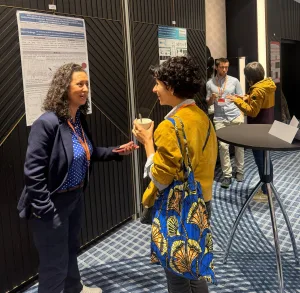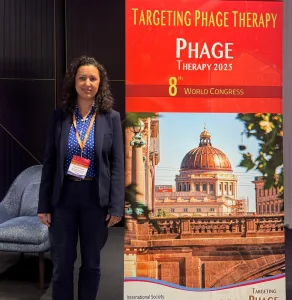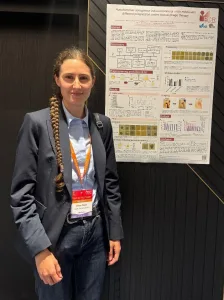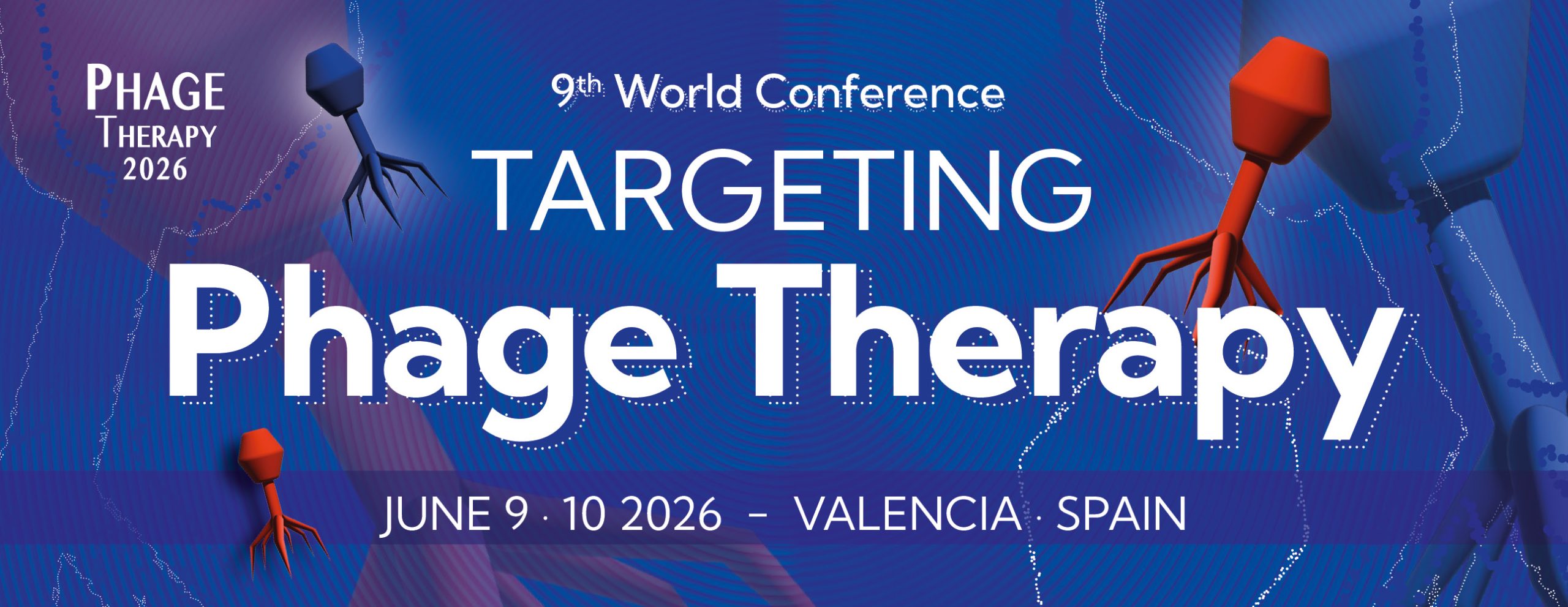
Targeting Phage Therapy 2026 Concludes in Valencia: From Promise to Clinical Reality

The 9th World Conference on Targeting Phage Therapy 2026 concluded in Valencia after two days of intense scientific exchange, clinical discussion and strategic reflection on the future of bacteriophage therapy.

This year’s meeting confirmed a clear message: phage therapy is no longer only a scientific promise. It is becoming a clinical, regulatory, manufacturing and industrial reality.

Across the sessions, leading experts discussed the full pathway needed to bring phage therapy closer to patients: phage biology, host–phage interactions, antimicrobial resistance, personalized treatment, compassionate use, GMP production, hospital implementation, regulatory frameworks, phage engineering and industrial innovation.

A major focus of the congress was the transition from isolated clinical cases to structured therapeutic pathways. Several presentations highlighted real-world clinical experience in complex and difficult-to-treat infections, while others addressed the practical barriers that still need to be solved: production capacity, quality control, reimbursement, regulatory harmonization and access through hospital systems.

The congress also emphasized that the future of phage therapy will not depend on a single breakthrough. It will require collaboration between clinicians, microbiologists, pharmacists, engineers, regulatory experts, biotech companies and public health institutions.

The 2026 Awards recognized outstanding contributions to the field, including clinical excellence, implementation, innovation, precision therapy, oral presentation quality and phage engineering. These achievements reflect the maturity and diversity of a field that is moving steadily toward real-world impact.

Targeting Phage Therapy 2026 warmly thanks all invited speakers, oral presenters, poster contributors, chairpersons, scientific board members, participants and supporters for their commitment and active participation.

A special thanks is extended to our supporters, including LXbio Pharmaceuticals and Delta G Avaris, for contributing to the success of this edition.

The key message from Valencia is simple:

The future of phage therapy is not only about finding the right phage. It is about building the right system to deliver the right phage to the right patient at the right time.

We look forward to continuing this important dialogue and to welcoming the phage therapy community again at the next edition of Targeting Phage Therapy.
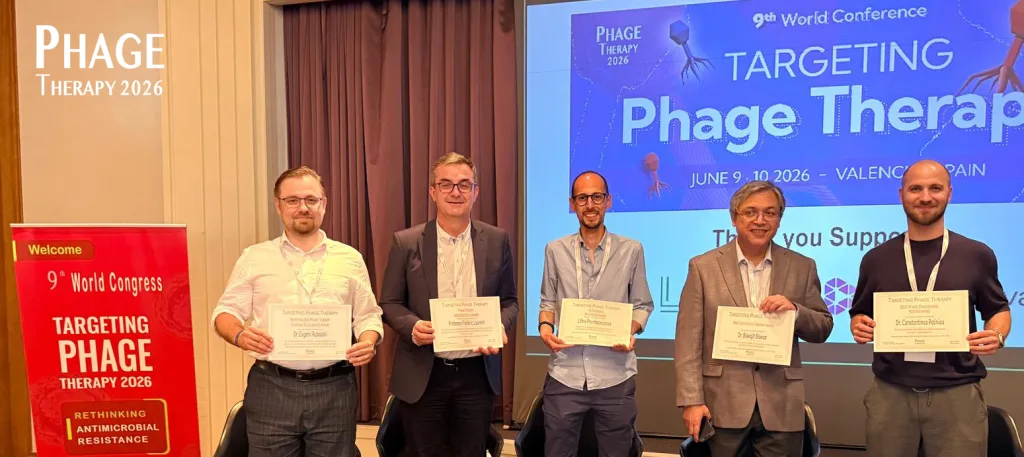
Targeting Phage Therapy 2026 Awards: Recognizing Clinical Excellence, Implementation and Innovation

The 9th World Conference on Targeting Phage Therapy 2026, held in Valencia on June 9–10, brought together leading clinicians, scientists, innovators and industry representatives working to advance bacteriophage therapy against antimicrobial-resistant infections.

This year’s awards recognized outstanding achievements across the phage therapy field, from real-world clinical experience and hospital implementation to precision technologies, phage engineering and next-generation therapeutic innovation.

Phage Therapy Implementation Award

Professor Frédéric Laurent, Hospices Civils de Lyon, France

Professor Frédéric Laurent received the Phage Therapy Implementation Award for his leadership in building a practical model for therapeutic phage production and hospital-based access.

His work on France’s first public platform for therapeutic phage production addresses one of the most urgent challenges in the field: how to produce, control, regulate and deliver phages safely and sustainably to hospitals and patients.

This initiative represents an important step toward transforming phage therapy from exceptional compassionate use into a more structured clinical reality in France and Europe.

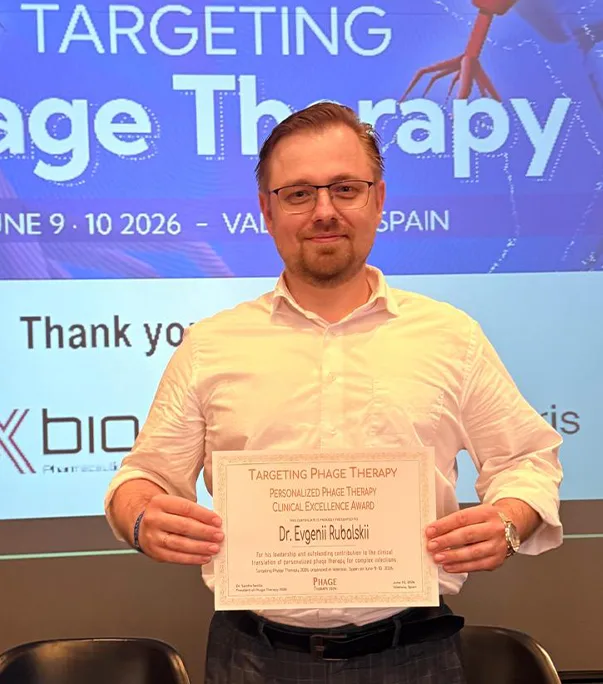
Personalized Phage Therapy Clinical Excellence Award

Dr. Evgenii Rubalskii, Hannover Medical School, Germany

Dr. Evgenii Rubalskii received the Personalized Phage Therapy Clinical Excellence Award for his outstanding contribution to the clinical translation of personalized phage therapy.

His work at Hannover Medical School represents one of the most advanced real-world clinical experiences in the field. Personalized bacteriophage therapy has been applied to patients facing complex, chronic, implant-associated, immunosuppression-related and difficult-to-treat infections.

With more than 60 patients treated and clinical benefit reported in the majority of cases, this program shows that phage therapy can move beyond isolated compassionate-use cases and become part of structured interdisciplinary clinical care.

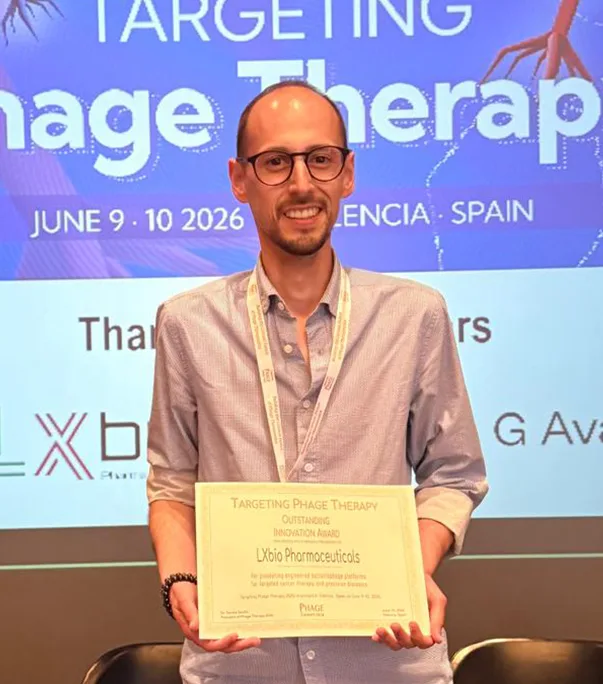
Outstanding Innovation Award

LXbio Pharmaceuticals / Henrique Ribeiro, Portugal

The Outstanding Innovation Award was presented to LXbio Pharmaceuticals and Henrique Ribeiro for their innovative work on engineered bacteriophage platforms for targeted cancer therapy and next-generation precision biologics.

Their approach illustrates how phage technologies can extend beyond classical antibacterial therapy. By engineering bacteriophages for HER2-positive breast cancer targeting, LXbio opens new perspectives for the use of phages as adaptable delivery and precision medicine platforms.

This award recognizes scientific originality, industrial vision and the capacity to expand the future role of phage-based technologies.

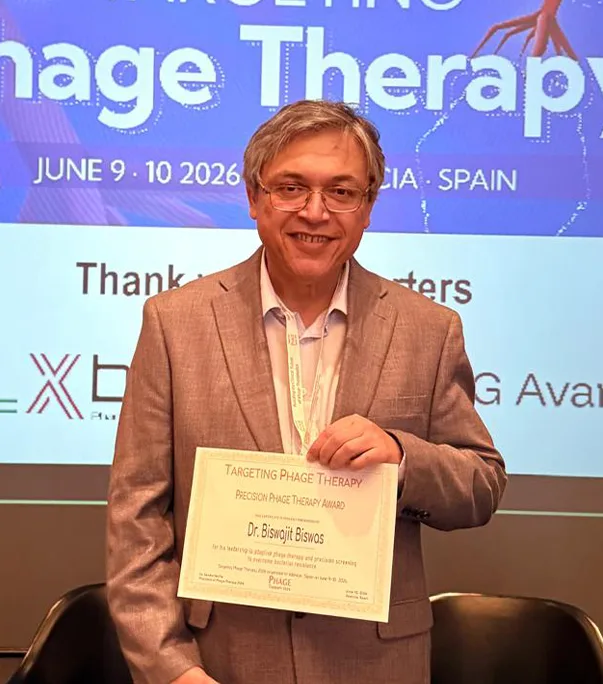
Precision Phage Therapy Award

Dr. Biswajit Biswas, Naval Medical Research Command, USA

Dr. Biswajit Biswas received the Precision Phage Therapy Award for his contribution to adaptive phage therapy and high-throughput screening strategies designed to overcome evolved bacterial resistance.

One of the major challenges in phage therapy is the ability of bacteria to rapidly develop resistance to individual phages. Dr. Biswas’ work addresses this problem through adaptive targeting: identifying, replacing and combining effective phages to build targeted therapeutic cocktails.

This strategy is highly relevant for multidrug-resistant infections, where speed, precision and adaptability are essential. 

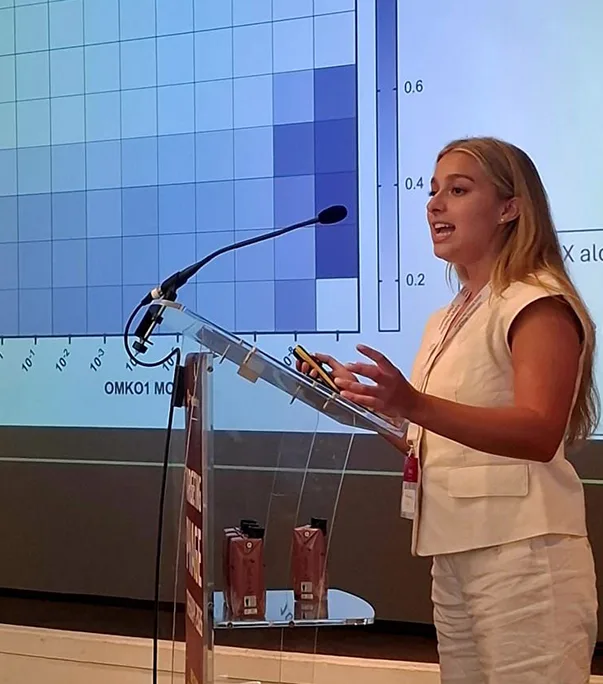
Best Short Oral Presentation Award

Emma L. Kane, Yale University, USA

Emma L. Kane received the Best Short Oral Presentation Award for her presentation on phage-antibiotic synergy against multidrug-resistant infections.

Her work highlights how bacteriophages can enhance antibiotic activity, reduce antibiotic MIC, improve bacterial killing and suppress resistant regrowth.

This research supports one of the most clinically important directions in the field: using phages not only as alternatives to antibiotics, but also as partners capable of restoring or strengthening antibiotic efficacy.

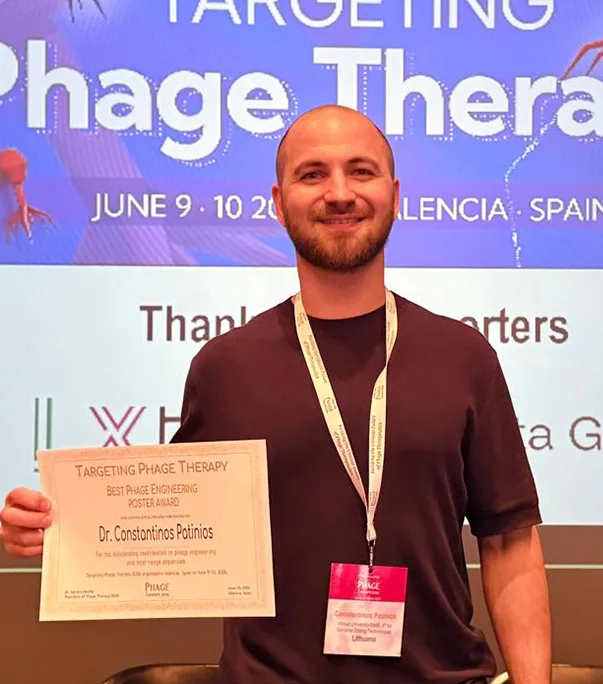
Best Phage Engineering Poster Award

Dr. Constantinos Patinios, Life Sciences Center, Vilnius University, Lithuania

Dr. Constantinos Patinios received the Best Phage Engineering Poster Award for his work on large-scale mutagenesis of the T7 receptor-binding protein to expand phage host range against otherwise resistant Escherichia coli hosts.

His poster addressed one of the central limitations of phage therapy: bacterial resistance to phage infection.

By engineering receptor-binding proteins and generating large mutant libraries, this work opens new possibilities for designing more robust phage therapeutics capable of overcoming resistance barriers. 

A Field Moving Toward Clinical Reality

The 2026 awardees reflect the diversity and maturity of the phage therapy field.

Their achievements show that the future of phage therapy will not depend on one single breakthrough. It will require clinical experience, public and hospital infrastructure, regulatory vision, adaptive technologies, advanced engineering and bold innovation.

Targeting Phage Therapy 2026 congratulates all awardees and thanks them for their contribution to advancing bacteriophage therapy toward real-world solutions for patients and society.

Available Now: Abstract Book of the 9th World Conference on Phage Therapy 2026

Available Now: Abstract Book of the 9th World Conference on Phage Therapy 2026

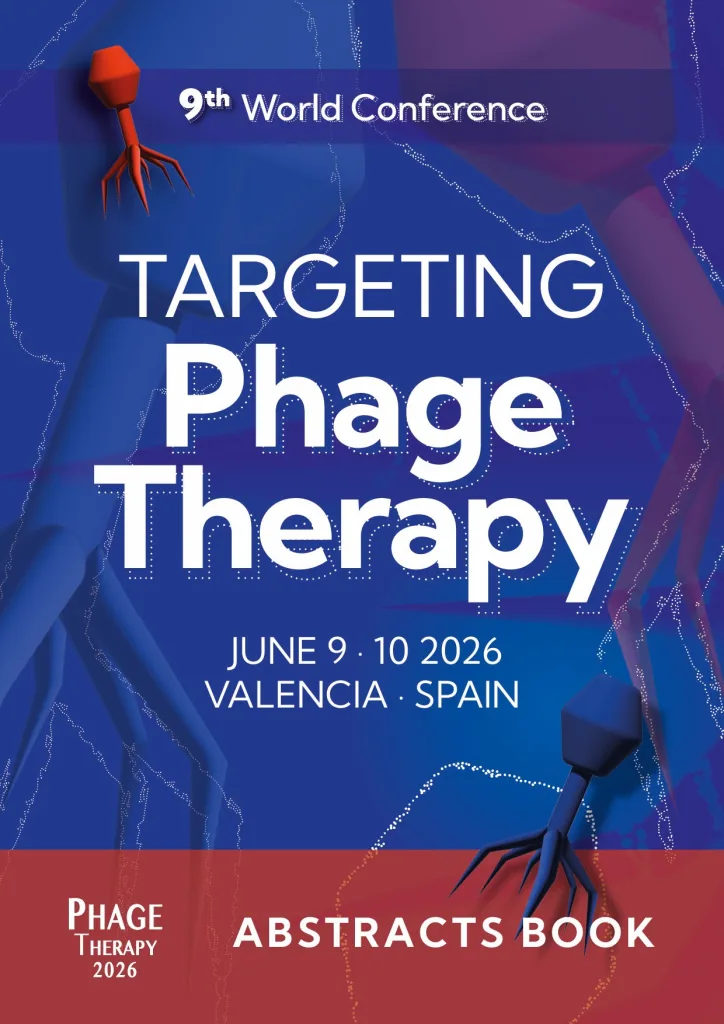
The Targeting Phage Therapy 2026 Abstract Book is the official scientific publication of the 9th World Conference on Targeting Phage Therapy, held June 9-10, 2026, in Valencia, Spain. This comprehensive volume includes over 48 contributions from global experts, including keynote lectures, clinical trial updates, and poster presentations from 24 countries. It explores cutting-edge advances in phage therapy, covering:

• Advances in Phage Therapy: From Mechanisms to Clinical Translation

• Phages Across One Health: Animal, Food, and Industry

• Production, Regulation, and Market Access

• Innovation Forum: Building the Future of Phage Therapy

With content from world leaders in phage research and medicine, this book offers a rich resource for clinicians, researchers, and biotech innovators. It is a must-have for those seeking to stay at the forefront of next-generation antibacterial therapies.

The book is available now for purchase: https://buy.stripe.com/eVa8Aoeez5aKdDG5kP

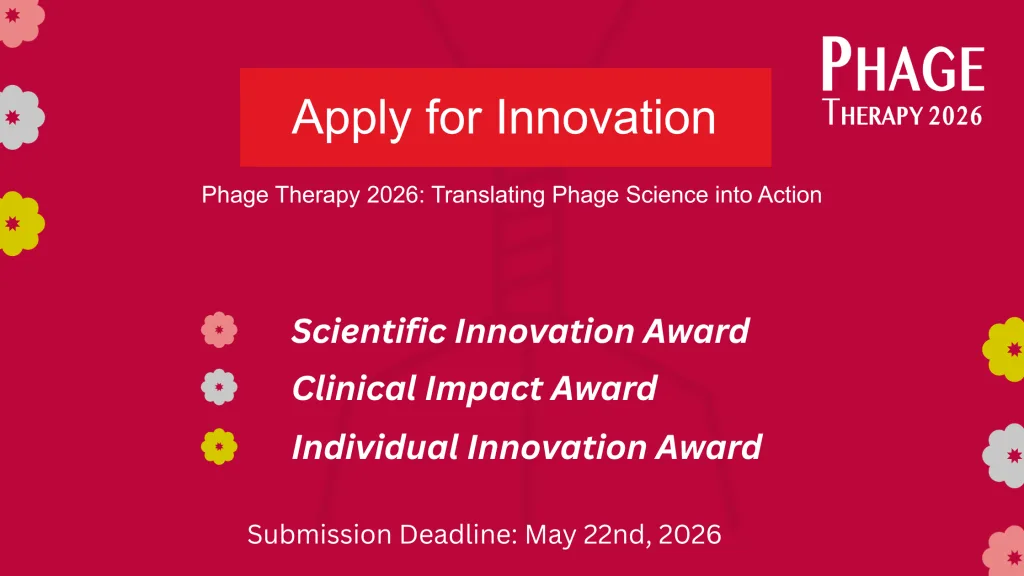
Call for Innovation & Awards

Call for Innovation & Awards

Phage Therapy 2026 invites researchers, clinicians, startups, and industry partners to present new solutions that move phage therapy forward in a concrete and operational way.

The objective is simple:
Identify solutions that make phage therapy scientifically solid, clinically credible, and industrially deployable in the fight against antimicrobial resistance.

We are looking for projects that solve real problems in the field, such as:
  • Better ways to match phages to bacteria, including AI-based tools
  • Strategies to overcome phage resistance
  • Safe and well-characterized engineered phages
  • Strong clinical trial designs and standardized treatment protocols
  • Biomarkers to monitor patient response
  • Scalable GMP production and quality control
  • Regulatory frameworks that enable structured clinical use
  • Rapid diagnostics and precision delivery systems
Selected projects will be presented during a dedicated Innovation Forum and evaluated by the scientific board jury.
 
Three Major Awards of Targeting Phage Therapy 2026
 
Scientific Innovation Award
For outstanding fundamental research advancing phage biology and mechanistic understanding.
 
Clinical Impact Award
For robust clinical work improving patient treatment, safety, and standardization.
 
Industrial & Translational Innovation Award
For technologies or production strategies that enable scalable, regulatory-compliant implementation.
 
For questions related to innovation participation, please click here to contact us.

Targeting Phage Therapy Team

Shaping the Future of Phage Medicine – Save the Date for Valencia 2026

Shaping the Future of Phage Medicine – Save the Date for Valencia 2026

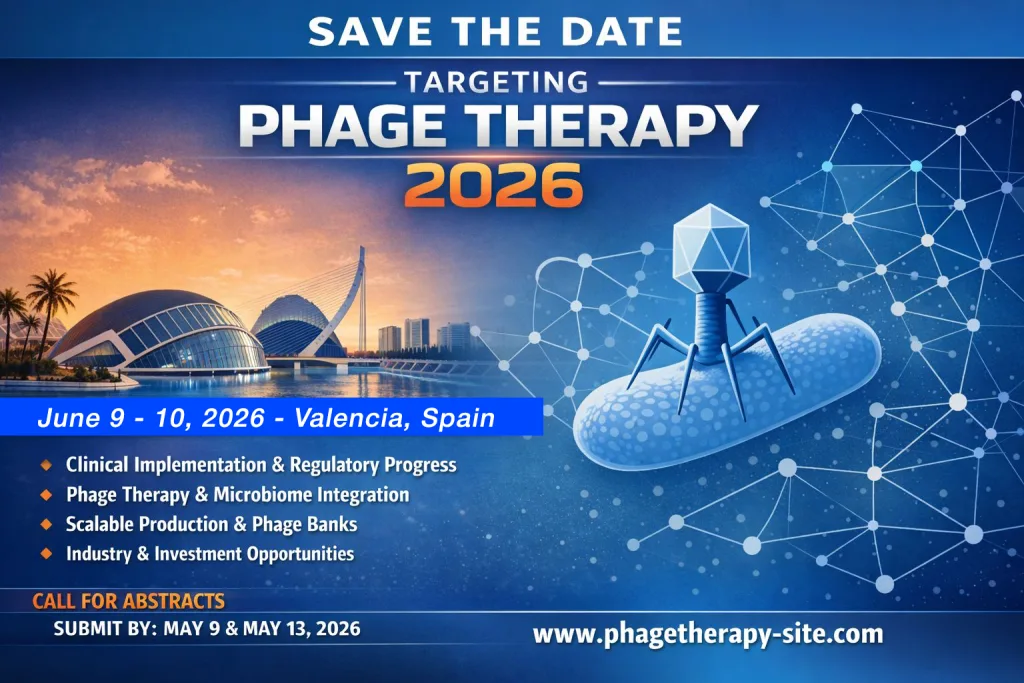
We are pleased to announce the 9th edition of the World Congress on Targeting Phage Therapy, which will take place on  June 9–12, 2026 in Valencia, Spain.

2026 Strategic Focus:
The 2026 Congress will mark a turning point for the field, as we move from experimental use to structured clinical pathways and scalable industrial models. Building on the momentum of Berlin 2025, we will focus on:

  • Implementing clinical frameworks for phage therapy
  • Scaling production, access, and regulatory harmonization
  • Bridging phage therapy with microbiota, biofilms, and personalized medicine
  • Defining cross-sector infrastructure: phage banks, clinical networks, data integration
  • Attracting pharma, biotech, and investors to build the next generation of anti-infective solutions

Call for Abstracts:

  • Oral communications deadline: May 9, 2026
  • Poster abstracts deadline: May 13, 2026

Submit now: www.phagetherapy-site.com/abstract-submission

Concluding Remarks : Targeting Phage Therapy 2025 did not close a chapter. It opened a new one

Concluding Remarks : Targeting Phage Therapy 2025 did not close a chapter. It opened a new one

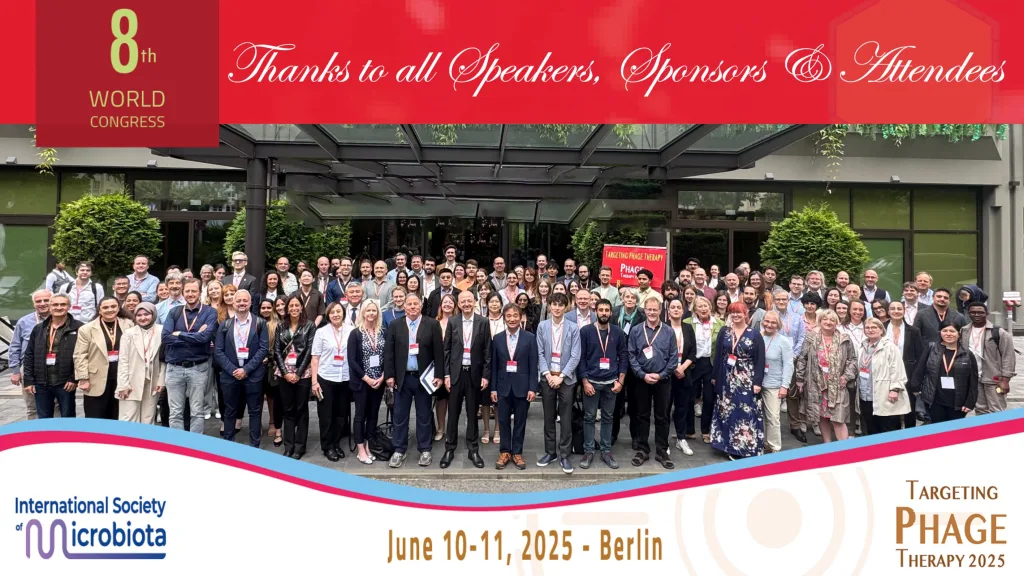
Targeting Phage Therapy 2025 marked a decisive moment for the field of phage therapy. What was once viewed mainly as an experimental or compassionate use approach has clearly entered a new phase, one defined by clinical structuring, regulatory engagement, and growing industrial readiness.

Over two days in Berlin, the conference brought together clinicians, researchers, regulators, and industry leaders from around the world. A clear and shared message emerged throughout the meeting: phage therapy is no longer just a scientific promise. It is becoming a clinical necessity.

The program highlighted tangible progress in human clinical trials, including applications in cystic fibrosis, burn wounds, cardiothoracic surgery related infections, and multidrug resistant pathogens. Participants also shared major advances in delivery technologies, ranging from inhaled formulations to hydrogels and biohybrid systems. Discussions reflected a growing maturity in GMP production, with concrete examples of hospital-based manufacturing pipelines and improved quality control strategies.

There was also an unprecedented focus on regulatory frameworks, national guidelines, and the need for European harmonization. Importantly, the scope of phage therapy was shown to extend well beyond human medicine, with expanding applications in veterinary health, agriculture, food safety, and industry.

Throughout the discussions, it became clear that the future of phage therapy will depend on collaboration rather than fragmentation. Progress will require stronger bridges between hospitals and industry, between regulators and innovators, and between microbiology and clinical medicine.

The final panel highlighted several critical priorities for the coming years. These include scaling access to phage therapy while maintaining safety and quality, structuring personalized phage approaches within clear regulatory pathways, building shared infrastructures such as phage banks and clinical networks, and strengthening dialogue across science, medicine, and industry.

Targeting Phage Therapy 2025 did not close a chapter. It opened a new one.

With this momentum, the community now looks ahead to 2026 with a shared ambition: to move phage therapy from pioneering cases to structured, accessible, and impactful solutions for health and industry.

Award Recipients Recognized for Innovation and Excellence

The conference recognized outstanding contributions to the field:

  • Poster Presentation Award: Peter Braun and Leonie Reetz (Fraunhofer ITMP, Germany)
  • Poster Presentation Award: Viviane de Cássia Oliveira
  • Poster Presentation Award: Miriam Waizer (University of Regensburg, Germany)
  • Short Oral Award: Anthony Vocat (Lausanne University Hospital, Switzerland)
  • Best Innovation Award: José Luis Bila (Precise Health SA, Switzerland)

Phage Therapy 2025 Awards.

The 9th Annual Meeting will be held in Valencia, Spain on June 9-10, 2016. See you soon!

Poster Presentation Award #1 – 2025 of Targeting Phage Therapy 2025

Poster Presentation Award #1 – 2025 of Targeting Phage Therapy 2025

Congratulations to Dr. Peter Braun and Leonie Reetz from the Fraunhofer ITMP, Germany, for winning the Poster Presentation Award 2025 at Targeting Phage Therapy!
Their poster, “Rapid and Specific Detection of Pathogenic Bacteria Using Recombinant Receptor Binding Proteins of Bacteriophages” showcases a cutting-edge approach to diagnostics through phage-based technologies — opening new doors for precision microbiology.

Poster Presentation Award #2 – 2025 of Targeting Phage Therapy 2025

Poster Presentation Award #2 – 2025 of Targeting Phage Therapy 2025


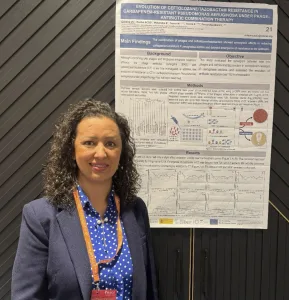
Congratulations to Dr. Viviane de Cássia Oliveira for winning Poster Presentation Award 2025 !

Her poster, “Evolution of Ceftolozane/Tazobactam Resistance in Carbapenem-Resistant Pseudomonas aeruginosa Under Phage-Antibiotic” earned recognition by the scientific committee for its depth of analysis and relevance to one of today’s most critical challenges in antimicrobial resistance. Her research offers new insights into the complex interactions between phages and antibiotics, paving the way for more effective combination therapies in the fight against multidrug-resistant infections.

Summary and Future Steps of her Research

Approximately 20–36% of ventilated patients develop ventilator-associated pneumonia (VAP), frequently caused by Pseudomonas aeruginosa. VAP has a high mortality rate, ranging from 24% to 76%, and imposes a significant burden on healthcare resources. My research, developed under ARISTOS program (European Union’s Horizon Europe research – Marie Sklodowska-Curie actions), focuses on identifying novel therapeutic approaches for treating VAP caused by carbapenem-resistant P. aeruginosa, a high-priority pathogen according to the WHO. The next phase of my study involves the in vivo administration of phage cocktails, evaluating their effect on progression and severity of VAP, alongside investigating how different lung cells respond to phage therapy. In parallel, the inhibition of biofilm formation on endotracheal tubes will be also investigated. I am committed to exploring the effect of phage-therapy against acute multidrug-resistant infections, which are widely regarded as one of the most critical global health challenges.

Bravo to Dr. Oliveira for this remarkable contribution and well-deserved recognition!


Poster Presentation Award #3 – 2025 of Targeting Phage Therapy 2025

Poster Presentation Award #3 – 2025 of Targeting Phage Therapy 2025


Congratulations to Miriam Waizer from the University of Regensburg, Germany, for winning the Poster Presentation Award 2025 of Targeting Phage Therapy 2025, here in Berlin !

Her poster titled “Pseudomonas Aeruginosa-Induced Bilateral Otitis Media with Different Progression Under Topical Phage Therapy” captured the attention of the Scientific Committee and earned her this well-deserved recognition. Her work brings valuable insight into the potential of topical phage applications in complex ENT infections — a promising path for future therapeutic strategies.

About her Research and Future Steps :

She focuses on the development of bacterial phage resistance in a therapeutic context. M.Waizer investigates on mechanisms that influence phage therapy, for example the influence of the immune system and the co-evolution of bacteriophages and bacteria in vitro and in situ. These experiments are carried out based on the cases of the Phage Center Regensburg in collaboration with our cooperation partners at the UKR. The aim is to use these findings from the in vitro experiments and the continuous monitoring of the in situ situation to further improve phage therapy.

Bravo to Miriam Waizer for this outstanding contribution!