Phage-Based Tool for Treating Antibiotic-Resistant Gonorrhea Wins Best Poster at Phage Therapy 2024

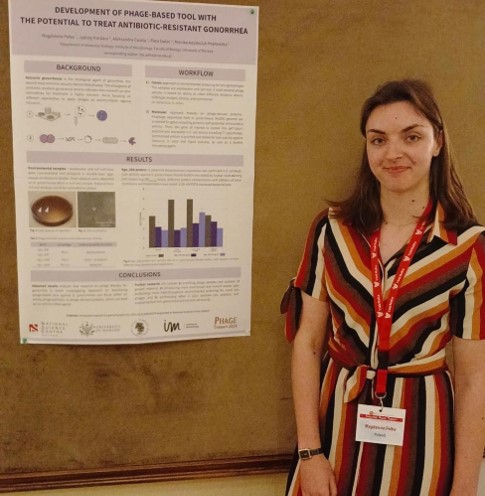
The Targeting Phage Therapy 2024 Best Poster Presentation award was discerned to:

Development of Phage-based Tool with the Potential to Treat Antibiotic-Resistant Gonorrhea
Magdalena Pelka, University of Warsaw, Poland

Ms. Pelka’s research focused on developing a phage-based tool to treat antibiotic-resistant gonorrhea. Her work involves isolating and characterizing phages with lytic activity against Neisseria gonorrhoeae, aiming to provide an effective alternative to traditional antibiotics.

The project of fighting against antibiotic-resistant gonorrhea has several approaches. The research group including Ms. Pelka aim to find a lytic phage against Neisseria by screening environmental samples. Another approach is selecting and synthesizing prophage-encoded proteins with potential antimicrobial activity.

Ms. Pelka stated: “So far we’ve screened wastewater samples against wild-type, commensal, mutant and clinical Neisseria strains. We also performed optimization of obtaining the first two lytic proteins (depolymerases). Our research shows that both approaches have the potential to result with a phage-based tool working against gonorrhea. In the near future we will improve the screening process, making it more high-throughput and extensive. We will also enhance the molecular work by optimizing expression and purification of the proteins, as well as further testing, also on human cells for cytotoxicity.”

You can learn about this insightful discovery and well executed poster in Targeting Phage Therapy 2024 Abstracts Book.


Targeting Phage Therapy 2024 Congress
7th World Conference
June 20-21, 2024 – Malta
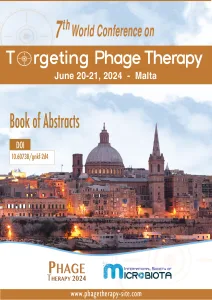
Abstracts Book of Targeting Phage Therapy 2024 is Now Available

The Targeting Phage Therapy 2024 Abstract Book has been released. 

You can now gain access to the abstracts of 40 communications, featuring major talks, short orals, and posters, highlighting advancements in phage therapy.

Phage Therapy 2024 Communications

You can learn more about the communications in the conference program: www.phagetherapy-site.com/Program.

How to Access Abstracts Book

Order the abstracts book and unlock the DOI: https://buy.stripe.com/eVa8Aoeez5aKdDG5kP

Advances in Phage Therapy and Antimicrobial Strategies: Insights from Oral Presentations 2024

Advances in Phage Therapy and Antimicrobial Strategies: Insights from Oral Presentations 2024

The rising threat of antibiotic-resistant bacterial infections has spurred extensive research into alternative therapeutic strategies. Bacteriophages (phages), viruses that infect bacteria, have emerged as a promising tool in combating resistant pathogens. The recent collection of oral presentations provides a comprehensive overview of the latest advancements in phage therapy and antimicrobial research.

Oral Presentation Summaries and Scientific Impacts 

1. Phage Resistance Characterization of a Phage Cocktail Targeting Pseudomonas aeruginosa Associated to Lung Infections
Clara Leandro, Technophage, Portugal

This study characterizes the resistance profiles of Pseudomonas aeruginosa to a specific phage cocktail.

Impact: Aids in optimizing phage cocktail formulations for better clinical outcomes in treating lung infections.

2. Bacteriophage Genome Annotation: Comparing Automatic and Manual Approaches
Antoine Culot, Rime Bioinformatics, France

This presentation compares different methods for annotating bacteriophage genomes.

Impact: Enhances the accuracy and efficiency of genome annotation, which is vital for phage research and therapy development.

3. Nanobiotechnological Engineering of the M13 Bacteriophage for Targeted Photodynamic Cancer Therapy
Alena Kaltenbrunner, University of Bologna, Italy

This research explores the engineering of M13 bacteriophage for use in targeted photodynamic cancer therapy.

Impact: Represents a novel approach to cancer treatment, leveraging phage technology for targeted therapy.

4. High-Throughput Time-resolved Measurement of Phage Infection Cycles in Individual Cells
Somenath Bakshi, University of Cambridge, United Kingdom

This study develops a high-throughput imaging assay to track the steps of infection cycle from individual phages in individual cells of bacteria in timelapse manner. 

Impact: This assay enables kinetic profiling of phage-bacteria interactions, which can be used to screen for resistance mechanisms in bacteria towards specific phages or to screen for effective phages to target specific bacteria.

5. Bacteriophage Host Ranges: A Key to the Two Therapy Strategies
Ivan M. Pchelin, Institute of Experimental Medicine, Russia

This study investigates the host ranges of bacteriophages and their implications for therapy strategies.

Impact: Provides insights that can inform the selection and use of phages in therapeutic contexts.

6. The Burden of Resistance: a Comprehensive Analysis of V. harveyi Mutants Resistant to Phages
Stavros Droubogiannis, Hellenic Centre for Marine Research, Greece

This study analyzes the resistance mechanisms of V. harveyi mutants to phages.

Impact: Enhances understanding of phage resistance, contributing to better management strategies in marine and medical contexts.

7. Bacteriophage-based Cleaning Approaches to Eradicate Salmonella infantis in Broiler Farms
Sandra Sevilla, Centro de Calidad Avícola y Alimentación Animal de la Comunidad Valenciana, Spain

This research presents phage-based cleaning methods to eliminate Salmonella infantis in poultry farms.

Impact: Offers a sustainable and effective solution for improving biosecurity in the poultry industry.

8. Production of Phage Products for Various Applications
Frenk Smrekar, JAFRAL’s CEO, Slovenia

This presentation discusses the production processes and applications of various phage products.

Impact: Showcases the commercial potential and diverse applications of phage products in medicine and industry.

9. Efficacy of Mycobacteriophage D29 Against Intracellular Mycobacterium smegmatis
Daria Smalchuk, Germans Trias i Pujol Research Institute, Spain

This study investigates the effectiveness of Mycobacteriophage D29 in targeting and killing intracellular Mycobacterium smegmatis, a model organism for Mycobacterium tuberculosis.

Impact: This research provides critical insights into the use of phages to target intracellular bacterial pathogens, potentially revolutionizing treatments for diseases like tuberculosis. The ability to effectively target intracellular pathogens represents a significant advancement in phage therapy, addressing a challenging aspect of infectious disease treatment.

10. Neutralizing Antibodies After Nebulized Phage Therapy in Cystic Fibrosis Patients
Marco Pardo-Freire, University of Valencia, Spain

This study examines the production of neutralizing antibodies in cystic fibrosis patients undergoing nebulized phage therapy.

Impact: Understanding immune responses to phage therapy can help optimize treatments, making them safer and more effective for chronic conditions like cystic fibrosis. The ability to nebulize phages for respiratory conditions, and the understanding of the immune response, is highly innovative and holds promise for treating other chronic respiratory infections.

11. Hydrogel Beads for Targeted/Controlled Phage Delivery in the Gastrointestinal Tract
Farzaneh Moghtader, TiPHAGE San.Tic, Turkey

This research presents the development of hydrogel beads designed for targeted and controlled delivery of phages in the gastrointestinal tract.

Impact: Enhances the efficacy and precision of phage therapy for gastrointestinal infections. The innovation of using hydrogel beads for controlled release in the GI tract is a significant advancement, ensuring that phages are delivered effectively to the site of infection, which can improve therapeutic outcomes and reduce side effects.

12. Successful Phage Treatment in a Cystic Fibrosis Patient with Acute Rejection Following Two Bilateral Lung Transplants
Mireia Bernabeu-Gimeno, Universitat De València, Spain

This case study reports the successful use of phage therapy to treat a cystic fibrosis patient experiencing acute rejection after lung transplants.

Impact: Demonstrates the potential of phage therapy in complex clinical scenarios, offering hope for patients with limited treatment options.

13. Bridging to Lung Transplantation: Personalized Phage Therapy for a Cystic Fibrosis Patient Infected with Burkholderia multivorans
Evgenii Rubalskii, Hannover Medical School, Germany

This study explores the use of personalized phage therapy to manage Burkholderia multivorans infection in a cystic fibrosis patient awaiting lung transplantation.

Impact: Highlights the importance of personalized medicine and the role of phage therapy in managing resistant infections pre-transplantation.

 14. Bacteriophages as Commercial Tools for the Treatment of Civilization Skin Disorders Like Acne or Eczema
Vendula Ficelová, Aumed, Czech Republic

This study explores the use of bacteriophages in treating common skin disorders such as acne and eczema.

Impact: Offers a novel, natural alternative to traditional treatments for widespread dermatological conditions.

15. Determining the Main Causes of Phage Resistance in Clinical Strains of Pseudomonas aeruginosa
Cindy Fevre, Phaxiam Therapeutics, France

This research identifies the primary mechanisms behind phage resistance in clinical strains of Pseudomonas aeruginosa.

Impact: Provides crucial information for developing strategies to overcome phage resistance, improving phage therapy effectiveness.

DOI Allocation for Targeting Phage Therapy 2024 Abstracts

DOI Allocation for Targeting Phage Therapy 2024 Abstracts

It is a great pleasure to announce that all abstracts submitted to the 7th World Conference on Targeting Phage Therapy will be included in the Abstracts Book 2024, assigned with a DOI (Digital Object Identifier).

Why a DOI?

A DOI ensures that your abstracts are indexed on major academic platforms such as ORCID, Google Scholar, Scopus, and more. This significantly enhances the visibility of your research, making it easier to cite and share within the scientific community.

DOI of Phage Therapy 2023 Abstracts

Abstracts Book 2023 DOI: https://doi.org/10.60738/2h54-fz27.

Submit your Abstracts to secure a DOI

You still have time to submit your abstracts for short oral and poster presentations: https://phagetherapy-site.com/abstract-submission/.

Selected Poster Presentation – Targeting Phage Therapy 2024

Selected Poster Presentation – Targeting Phage Therapy 2024

The rising threat of antibiotic-resistant bacterial infections has spurred extensive research into alternative therapeutic strategies. Bacteriophages (phages), viruses that infect bacteria, have emerged as a promising tool in combating resistant pathogens.

Poster Summaries and Scientific Impacts

1. Development of Phage-based Tool with the Potential to Treat Antibiotic-Resistant Gonorrhea
Magdalena Pelka, University of Warsaw, Poland

The research explores the potential of a phage-based tool to treat antibiotic-resistant Gonorrhea.

Impact: With antibiotic options dwindling, phage therapy offers a critical alternative, addressing the urgent need for new treatments against resistant Gonorrhea.

2. Phage-antibiotic Combination Therapy Against Recurrent Pseudomonas septicaemia in a Patient with an Arterial Stent
Saija Kiljunen, University of Helsinki, Finland

The study examines the efficacy of combining phage therapy with antibiotics to treat recurrent Pseudomonas infections in patients with arterial stents.

Impact: Phage-antibiotic synergy offers a promising approach to overcoming persistent infections, particularly in patients with medical implants, where traditional treatments often fail.

3. Elucidating Key Steps of Pseudomonas aeruginosa Infection by DEV Lytic Phage for Phage Therapy
Jimena Nieto Noblecía, Università Degli Studi Di Milano, Italy

This study focuses on the key steps involved in the infection process of Pseudomonas aeruginosa by a lytic phage.

Impact: Understanding the infection mechanisms of Pseudomonas aeruginosa can improve the design and implementation of phage therapy protocols, crucial for treating this highly resistant pathogen.

4. Phage-Encoded Proteins with Antimicrobial Activity Against Klebsiella pneumoniae
Monika Adamczyk-Popławska, University of Warsaw, Poland

This study investigates phage-encoded proteins with potential antimicrobial properties against *Klebsiella pneumoniae, a common hospital-acquired pathogen.

Impact: The discovery of new antimicrobial proteins could lead to novel treatments, reducing the reliance on traditional antibiotics and combating drug-resistant infections.

5. Flow Cytometry as a Tool for Monitoring the Course of a Staphylococcal Phage Abortive Infection at the Single Cell Level
Lucie Kuntová, Masaryk University, Czech Republic

This research utilizes flow cytometry to study phage infections at the single-cell level, providing detailed insights into the dynamics of staphylococcal infections.

Impact: Advanced monitoring techniques like flow cytometry can enhance our understanding of phage-bacteria interactions, leading to more precise and effective therapeutic strategies.

6. Genomic and Structural Characterization of Novel Macrococcus Siphovirus that will Likely Represent a New Subfamily Within Caudoviricetes
Ivana Maslanova, Masaryk University, Czech Republic

 The poster presents the discovery and characterization of a novel phage, potentially representing a new subfamily within the Caudoviricetes order.

Impact: Expanding our knowledge of phage diversity and genomics can facilitate the development of new phage-based applications in both medical and industrial contexts.

7, Polymicrobial Interactions in Urinary Tract Infections and Their Impact on Phage Therapy
Stéphane Pont, Swiss Federal Institute of Technology Lausanne (EPFL), Switzerland

This research investigates if interspecies interactions affect phage efficiency in UTI-mimicking conditions.  

Impact: Using bladder microtissues to identify if phage therapy can be applied upon polymicrobial colonization could foster the clinical use of bacteriophage upon mixed-species infections.

8. Synergistic Action of RCHAPK With Antibiotics Against MRSA and Its Application in an in Vivo Murine Wound Model
Semra Tasdurmazli, Yildiz Technical University, Turkey

This study investigates rCHAPk both its synergistic effect with antibiotics against MRSA and its therapeutic efficiency in a murine wound model.

Impact: Demonstrating synergy between endolysins and antibiotics could lead to new combinatory therapies, as well as emphasizing the therapeutic benefits of phage-derived enzymes may improve treatment outcomes for MRSA infections.

9. Antibacterial Activity of Holin Proteins
Hande Hancer, Yildiz Technical University, Turkey

This poster explores the antibacterial properties of holin proteins, which play a crucial role in the lysis mechanism of bacteriophages.

Impact: Understanding the function of holin proteins can aid in the development of new antibacterial agents, potentially leading to innovative treatments for bacterial infections.

10. Strategy for Purification of the Staphylococcus aureus Bacteriophages
Rostislav Halouzka, MB Pharma, Czech Republic

The research focuses on developing efficient purification methods for bacteriophages targeting Staphylococcus aureus.

Impact: Enhanced purification techniques can improve the efficacy of phage therapy, making it a viable alternative for treating antibiotic-resistant Staphylococcus aureus infections.

11. Characterization and Therapeutic Potential of a Newly Isolated Pseudomonas aeruginosa Phage from Wastewater
Tinatini Tchatchiashvili, Jena University Hospital, Germany

12. Expanding Host Range from Unrelated Phages Using Appelmans Protocol: Interactions and Underlying Genetic Mechanisms
Dongeun Yong, Microbiotix Co., Ltd, South Korea

13. Characterization TP-84 Bacteriophage Endolysin and Its Potential Application in Biotechnology
Piotr Skowron, University of Gdansk, Poland

14. Ex Vivo Pig Lung as a New Cystic Fibrosis Model for the Study of the Phage Therapy Against
Pseudomonas Aeruginosa Biofilm Infection

Marco Cafora, University of Milan, Italy

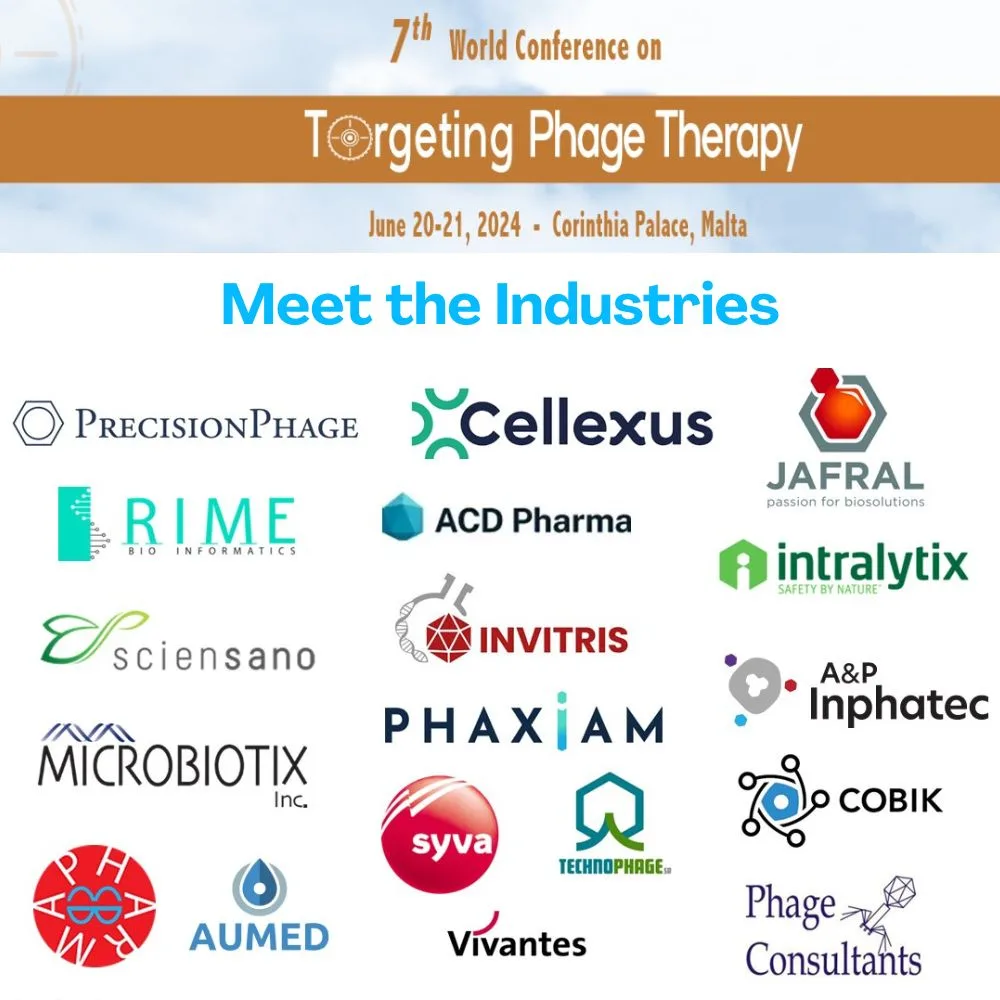
Meet the Industries Attending Targeting Phage Therapy 2024

Meet the Industries Attending Targeting Phage Therapy 2024

Targeting Phage Therapy 2024 gathered 15+ key players in the phage therapy industry to showcase. Participants engaged in meaningful discussions on the latest research, regulatory landscapes, and successful case studies in phage therapy.

 Attendees had the opportunity to learn about advancements in phage selection, manufacturing, and production, which are crucial for the development and implementation of effective phage therapies.

 This event marked a unique opportunity to drive forward the science and application of this transformative therapy.

Targeting Phage Therapy 2024 Attendees: https://phagetherapy-site.com/slide/who-is-attending-targeting-phage-therapy-2024/

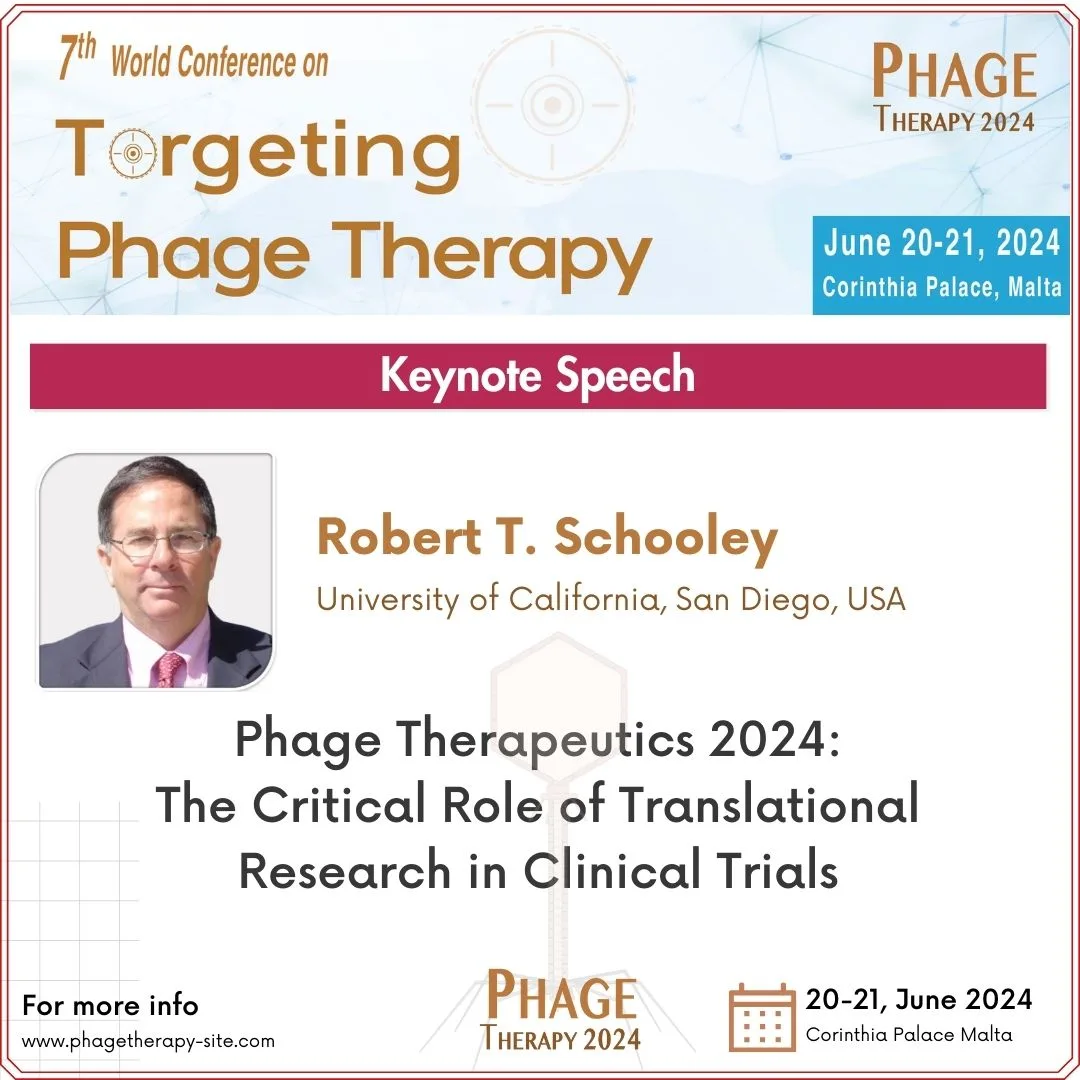
Dr. Schooley’s call to action: Elevating phage therapy trials through strategic translational research

The 7th World Conference on Targeting Phage Therapy was organized on June 20-21, 2024 at Corinthia Palace Malta.

Robert T. Schooley, M.D., Professor of Medicine at the University of California, San Diego, and Co-Director of the Center for Innovative Phage Applications and Therapeutics and member of the Executive Committee for the University of California Disaster Resilience Network, will introduced Phage Therapy 2024 with a key note talk titled “Phage Therapeutics 2024: Essential Translational Research Components for Clinical Trials.

Dr. Schooley will highlighted the pivotal moment that phage therapy research finds itself in. With Phase 2 studies transitioning to Phase 3 trials, he stresses the critical need for a unified approach in integrating translational research components into clinical trials to ensure their success and meaningfulness.

Dr. Schooley critiqued the current trend in trial design, which often aims narrowly at achieving clinical endpoints for regulatory approval, yet lacks the depth to provide insights or guidance should the trial not meet its objectives.

He referenced the instructive case of one study, which, despite its failure, offered valuable lessons due to its comprehensive assessment approach. This study revealed significant insights post hoc, such as issues with microbiology, phage-phage antagonism, and dilution effects, which were not addressed upfront. These revelations underscore the necessity of including detailed evaluations in clinical trials to verify that phages reach the infection site in effective quantities and intervals, to monitor the development of resistance during the study, and to assess the impact of phage-specific antibodies on treatment efficacy.

Dr. Schooley’s message is a call to action for the phage therapy research community to adopt a more thorough and insightful approach in clinical trials. This includes the implementation of substudies to document key aspects of phage therapy application and the development of consensus protocols for evaluating phage-specific immunity, pharmacokinetics/pharmacodynamics (PK/PD) relationships, and phage resistance mechanisms. Such measures are vital for understanding why certain therapeutic interventions succeed or fail, enabling researchers to refine and improve treatment strategies.

In advocating for this approach, Dr. Schooley highlights a fundamental challenge: the repetition of past mistakes due to a lack of comprehensive analysis and learning from failed trials. Without addressing this issue, the field risks stagnation, unable to leverage cumulative experience to accelerate progress. His passionate plea underscores the importance of not just aiming for short-term successes in phage therapy research but also building a robust and insightful framework that enhances the field’s overall efficacy and resilience.

The Concluding Remarks of Targeting Phage Therapy 2023 & Future Perspectives

The Concluding Remarks of Targeting Phage Therapy 2023 & Future Perspectives

The 6th World Congress on Targeting Phage Therapy 2023 that was held on June 1-2 in Paris, and gathered more than 150 attendees from 30+ different countries. Targeting Phage Therapy 2023 included more than 71 presentations between major talks, short orals, and posters.

The Chairman of the scientific committee Dr. Marvin Edeas Université de Paris, Cochin Institute stated: “It’s wonderful to hear that the speakers at the Targeting Phage Therapy 2023 conference delivered excellent presentations on a variety of fantastic topics. The fact that new findings and original results were shared suggests that the field of phage therapy is advancing and contributing to the development of a new kind of medicine. Phage therapy holds immense potential in addressing the challenge of antibiotic resistance and improving treatment options for bacterial infections. The research and discussions presented at the conference likely showcased the progress and possibilities of this innovative therapeutic approach.”

The Future of Phages

Dr. Marvin Edeas presented a talk on phages and microbiota, he commented, Phages have the potential to play a significant role in shaping our microbiota and influencing various effects within our bodies. The human microbiota, which consists of trillions of microorganisms including bacteria, viruses, and phages, is known to have a profound impact on our health and well-being. Phages, being viruses that specifically target bacteria, can modulate the composition and dynamics of the microbiota by selectively infecting and killing certain bacterial species. This process, known as “phage predation,” can lead to shifts in bacterial populations and the overall balance of the microbiota.

Furthermore, phages can impact the functions and interactions within the microbiota. They can transfer genes between bacteria through a process called horizontal gene transfer, influencing the genetic makeup and capabilities of bacterial communities. This transfer of genetic material can contribute to the spread of antibiotic resistance genes or confer beneficial traits to bacteria, such as the ability to digest certain substances or resist pathogens.

Phages can also have indirect effects on human health by modulating the immune system. They can interact with immune cells and trigger immune responses, potentially influencing immune function and the body’s ability to respond to infections or diseases.

Overall, the interplay between phages, bacteria, and the human microbiota is a complex and fascinating area of research. Understanding and harnessing the power of phages in modulating the microbiota holds great potential for developing innovative therapeutic approaches, improving health outcomes, and addressing various health challenges.

What about Phage and Non-Infectious Disease?

Dr. Edeas strongly convinced that the potential applications of phages extend beyond their traditional use in treating bacterial infections. Emerging research suggests that phages could have therapeutic implications in a variety of non-infectious diseases, including obesity, cancer, and even mental health conditions like depression. However, it’s important to note that while these possibilities are being explored, the field is still in its early stages, and more research is needed to fully understand the mechanisms and effectiveness of phage therapy in these areas.

Targeting Phage Therapy 2023 Awards

Four Awards were decerned. Here’s a summary of the recognized presenters and their contributions:

I. Martha Clokie (University of Leicester, United Kingdom) received the Phage Therapy 2023 Best Scientific Contribution award. Her presentation titled “Challenges and Opportunities for Bacteriophage Therapy” focused on her team’s work in an agricultural setting. She highlighted the insights gained in terms of safety, efficacy, dosing, and the use of phages to target urinary tract pathogens. Clokie emphasized that bacteriophage therapy shows promise in addressing antibiotic resistance and improving treatment options for bacterial infections and microbiome manipulation.

II. Amanda (Curtis) Burkardt, the CEO of PHIOGEN (USA), was awarded the Phage Therapy 2023 Best Scientific Innovation for their technology platform. Burkardt’s presentation titled “Creating Patient Ready Products in a Remedy Ready World” highlighted PHIOGEN’s proprietary technology platform. This platform enables the discovery, screening, and evolution of naturally occurring bacteriophages with exceptional bacteria-fighting abilities. It allows the development of antimicrobials that can overcome resistance. This innovation offers a new business model for phage therapy, enabling the creation of products that can treat entire populations instead of individual patients.

III. The Phage Therapy 2023 Best Short Oral award went to Brieuc Van Nieuwenhuyse from UC Louvain, Belgium. His presentation focused on “Bacteriophage-Antibiotic Combination Therapy Against Extensively Drug-Resistant Pseudomonas Aeruginosa Infection to Allow Liver Transplantation in a Toddler.” Dr. Van Nieuwenhuyse emphasized the importance of considering bacteriophage therapy as a therapeutic option to combat antimicrobial-resistant bacterial infections, particularly in cases where traditional medical practitioners may overlook this potential solution.

IV. The Targeting Phage Therapy 2023 Best Poster award was given to Pantiora Panagiota from the Agricultural University of Athens, Greece. Her poster presentation was titled “Thermostable Bactericidal Endolysin Discovery: New Ways to Fight Bacterial Pathogens – Metagenomics Analysis for the Discovery of a Thermostable Endolysin With High Bactericidal Activity.” This research likely focused on the discovery and potential application of a thermostable endolysin, which is an enzyme that can degrade the cell walls of bacteria, leading to their destruction.

Current challenges and future prospects:

While phage therapy shows great promise, there are still challenges to overcome before it becomes widely available.

  • Regulatory hurdles: Regulatory frameworks for phage therapy vary across different countries, and establishing standardized guidelines is essential.
  • Phage selection: Identifying the most effective phages for specific bacterial strains can be time-consuming and complex.
  • Clinical trials: Rigorous clinical trials are needed to evaluate the safety and efficacy of phage therapy in different patient populations.

Despite these challenges, phage therapy holds significant potential. Ongoing research aims to optimize phage therapy protocols, develop phage cocktails, and improve delivery mechanisms to enhance its efficacy. Phage therapy, in combination with other advances in personalized medicine and immunotherapy, could revolutionize the treatment of bacterial infections and shape the future of medicine.

How phage therapy could influence the future of medicine:

  1. Antibiotic Resistance: The global health community is grappling with the increasing prevalence of antibiotic resistance. As more bacteria evolve resistance to our current arsenal of antibiotics, the effectiveness of these treatments decreases. Phage therapy could offer a solution to this problem as phages are capable of infecting and killing even antibiotic-resistant bacteria.
  2. Precision Medicine: Phages are highly specific to the bacterial strains they infect. This means they could potentially be used for more targeted therapies than broad-spectrum antibiotics, which can disturb the gut microbiota and lead to side effects. This specificity aligns with the broader trend towards precision medicine, which aims to tailor treatment to individual patients based on their unique genetic, environmental, and lifestyle factors.
  3. Phage Therapy Research: There is a resurgence of interest in phage therapy research due to the mounting crisis of antibiotic resistance. This research is producing promising results, but there are still many challenges to be overcome. These include determining the safety and efficacy of phage therapy, regulatory and manufacturing hurdles, and the need for more controlled clinical trials.
  4. Bioengineering: With advancements in biotechnology, it is possible to genetically modify phages or engineer synthetic ones. This could allow us to create phages that are even more effective at combating bacteria, or that carry genes which make bacteria more susceptible to other treatments.
  5. Diagnostics: Phages can be used to detect specific bacteria in diagnostic tests. This could help clinicians identify the cause of an infection more quickly and accurately, leading to more effective treatment.
  6. Environmental applications: Besides human health, phage therapy can also be used in agriculture to combat bacterial diseases in crops or farm animals, and in food safety to kill foodborne pathogens.

While phage therapy holds great promise, it’s important to note that much more research is needed to understand how best to use phages in a clinical setting. Phages are incredibly diverse and complex, and our understanding of phage-bacteria interactions is still in its infancy. It’s also crucial to consider potential risks and challenges, such as the possibility of bacteria developing resistance to phages, the potential for phages to transfer harmful genes between bacteria, and the need for robust regulation and quality control in phage production.


For those interested in accessing the materials and videos from the conference, the organizers offer the opportunity to request access to the replay and abstracts book. Additionally, conference recordings are available on demand for a period of three weeks. This allows participants and others interested in the field of phage therapy to catch up on the details and insights shared during the conference.

Conference Materials and Replay.


Targeting Phage Therapy 2023 Congress
6th World Conference Conclusion
June 1-2, 2023 – Paris, France


Phage Therapy 2023 Best Short Oral: Bacteriophage-Antibiotic Combination to Allow Liver Transplantation

Phage Therapy 2023 Best Short Oral: Bacteriophage-Antibiotic Combination to Allow Liver Transplantation

The Targeting Phage Therapy 2023 Best Short Oral Presentation award was discerned to:

Bacteriophage-Antibiotic Combination Therapy Against Extensively Drug-Resistant Pseudomonas Aeruginosa Infection to Allow Liver Transplantation in a Toddler
Brieuc Van Nieuwenhuyse, UC Louvain

Dr. Van Nieuwenhuyse explained to Targeting Phage Therapy: “My research focuses on bidirectional translational research, trying to analyze specific mechanisms that have likely modulated phage therapy’s outcomes in former treated patients, and in turn trying to apply the conclusions of this research to the treatment protocol of future phage therapy patients. Current and future projects focus on exploring, inter alia, the clinical relevance of phage-antibiotic interactions, of phage immune neutralization, of bacterial phage resistance dynamics and induced phage co-evolution, and also on the contribution of specific phage features to their lytic power in mucus-rich environments.”

You can learn about this inspiring finding and talk in Targeting Phage Therapy 2023 Replay and Abstracts Book.


Targeting Phage Therapy 2023 Congress
6th World Conference
June 1-2, 2023 – Paris, France

Targeting Phage Therapy 2023 Best Poster: Thermostable Bactericidal Endolysin Discovery

Targeting Phage Therapy 2023 Best Poster: Thermostable Bactericidal Endolysin Discovery

The Targeting Phage Therapy 2023 Best Poster Presentation award was discerned to:

New Ways to Fight Bacterial Pathogens: Metagenomics Analysis for the Discovery of a Thermostable Endolysin With High Bactericidal Activity
Panagiota Pantiora,

Ms. Pantiora is currently a PhD student in Enzyme Biotechnology, at the Laboratory of Enzyme Technology of AUA, under the supervision of Prof. Labrou Nikolaos. Her thesis is entitled “Protein Engineering and Metagenomics analysis for the development of novel therapeutic and technological hydrolytic enzymes”.

Ms. Pantiora shared with phage therapy team the following: “Our research work aims at the discovery and identification of novel lytic enzymes, isolated via metagenomics analysis from ecosystems with extreme conditions, that exhibit significant antimicrobial potential against human multi-resistant bacterial pathogens. We implement functional genomics, bioinformatic analysis and tools, molecular biology methods, in vitro biochemical experiments, as well as in vitro and in vivo antimicrobial and cytotoxicity assays to evaluate the therapeutic efficiency of the new endolysins. In addition, we apply protein engineering through in vitro directed evolution and fusion with antimicrobial peptides targeting to enhance the antibacterial potential of these enzymes.

Moreover, our future goals include the utilization of these novel endolysins for the development of probiotics aiming to strengthen the physiological human intestinal microflora. We hope that our research will contribute, in the near future, to the confrontation of the antibiotic crisis, by presenting novel biomolecules with significant antimicrobial activity that renders them ideal therapeutic candidates of infections caused by resistant bacteria.”

You can learn about this insightful discovery and well executed poster in Targeting Phage Therapy 2023 Abstracts Book.


Targeting Phage Therapy 2023 Congress
6th World Conference
June 1-2, 2023 – Paris, France