Bacteriophage RNA: A Tiny Viral RNA Tips the Balance Between Life and Death in Infected Bacteria

Bacteriophage RNA: A Tiny Viral RNA Tips the Balance Between Life and Death in Infected Bacteria

A tiny viral RNA can decisively tip the balance between life and death in infected bacteria.

In a study published in Molecular Cell, researchers report that bacteriophage lambda uses a short regulatory RNA—named PreS—to hijack its host’s DNA replication machinery. Rather than relying only on viral proteins, the phage deploys this small RNA to reprogram E. coli from the inside.


PreS binds to the bacterial messenger RNA of dnaN, a gene that encodes the β sliding clamp, an essential component of DNA replication. By reshaping the mRNA’s structure, the viral RNA boosts production of the clamp, effectively supplying the virus with more of the tools it needs to rapidly copy its own genome.


When PreS is removed or its binding site disrupted, viral replication slows and the destructive, lytic phase of infection is delayed. The finding reveals an unexpected layer of viral control and suggests that small RNAs may be common — and powerful — weapons in phage infections.


Beyond basic biology, the work could inform future phage therapy strategies, where understanding and tuning viral replication is key to turning bacteria’s natural predators into reliable medical tools.

Call for Participation – Phage Therapy Task Force – EU Horizon Europe 2025

Call for Participation – Phage Therapy Task Force – EU Horizon Europe 2025

Join the European Phage Therapy Consortium

In the context of the Horizon Europe 2025 Health Work Programme, a major opportunity is open under the call HORIZON-HLTH-2025-01-DISEASE-01:

Testing safety and efficacy of phage therapy for the treatment of antibiotic-resistant bacterial infections.”

We are launching the Phage Therapy Task Force to build a credible, multidisciplinary consortium able to address this challenge and submit a competitive proposal.

🔗 Official EU Call – Page 42: Download PDF Here

Objective

Our goal is to:
• Identify and connect leading academic, clinical, industrial, and regulatory actors
• Facilitate the development of translational, GMP-compliant, and clinically validated phage therapies
• Prepare a strong, high-impact submission under Horizon Europe 2025

🗓 Deadline: 15 August 2025 – Application Closed

Additional Opportunity: A Coordinating Team is needed

We are actively seeking a team or company capable of coordinating and managing the Horizon Europe submission. If you are ready to take on this challenge, please contact us with details of your background, experience, honorarium, and availability.

Let’s advance the future of phage therapy together.

Clinical Application of Bacteriophage Therapy in Children

Clinical Application of Bacteriophage Therapy in Children

Bacteriophage therapy, which uses viruses that target specific bacterial pathogens, is being considered as a potential alternative to antibiotics, particularly for pediatric patients with multidrug-resistant infections.

This approach offers the advantage of targeting only the harmful bacteria, reducing the disruption to the child’s microbiome commonly seen with antibiotics. Bacteriophages can be applied topically or systemically, depending on the type and location of the infection. Research is focused on refining the use of bacteriophages for both acute and chronic infections in children, with ongoing work to address challenges such as selecting the appropriate phage for each infection and ensuring long-term effectiveness.

In this context, John S. Bradley from the University of California San Diego has contributed to the discussion of how bacteriophage therapy may complement traditional antibiotics and offer a more targeted approach to treating infections that are difficult to manage with standard treatments.

Read more.

Image Credit: Freepik.com

Bacteriophage Therapy: A New Approach for Severe Bacterial Infections

Bacteriophage Therapy: A New Approach for Severe Bacterial Infections

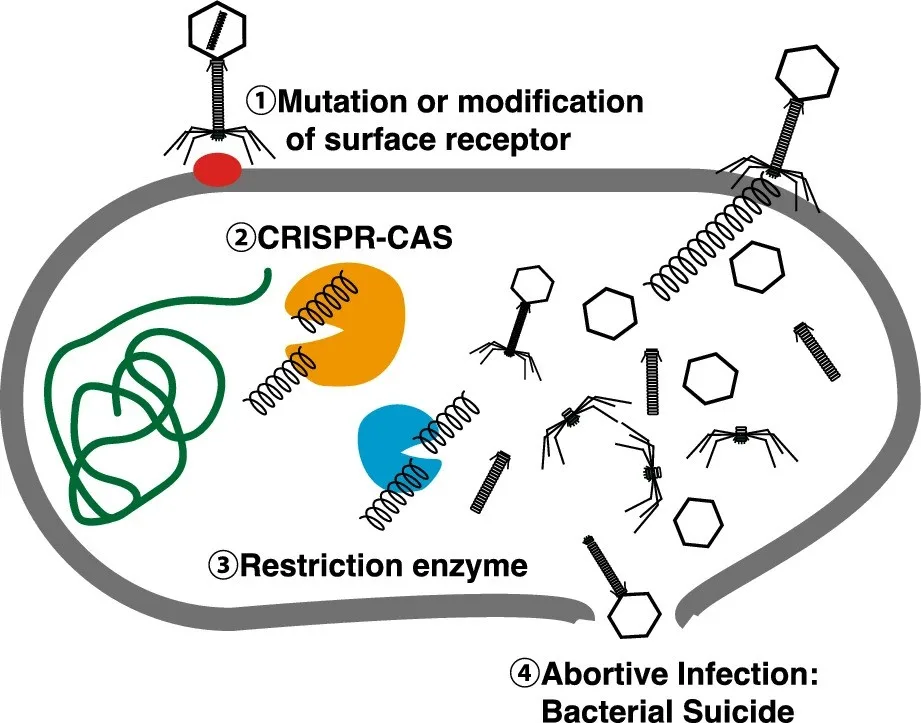
 Bacteria acquire phage resistance.

The increasing prevalence of antibiotic-resistant bacteria presents a critical global health challenge. According to the WHO, 1.27 million deaths in 2019 were linked to resistant infections, and by 2050, fatalities from these infections are projected to exceed those caused by cancer.

The Role of Phage Therapy

As an alternative to antibiotics, bacteriophage (phage) therapy utilizes viruses that specifically target and eliminate bacteria. This approach has shown promise in treating severe infections, particularly those caused by multidrug-resistant (MDR) bacteria:

  • Successful treatment of patients with panresistant Pseudomonas aeruginosa
  • Recovery from systemic Acinetobacter infections following phage administration

Advantages and Challenges

Key benefits of phage therapy include:

  • High specificity – Targets only the harmful bacteria, preserving the microbiome
  • Potential synergy with antibiotics – May enhance treatment effectiveness

Challenges and ongoing research efforts:

  • Bacterial resistance to phages – Addressed through phage selection and combination strategies
  • Phage specificity – Requires precise matching of phage to bacterial strain

Global Developments in Phage Therapy

  • Belgium has established a national phage bank to facilitate clinical applications.
  • The United States is advancing research through Innovative Phage Applications and Therapeutics (IPATH) at UC San Diego.

Phage therapy is emerging as a key component of personalized medicine, offering a promising treatment option for patients with life-threatening bacterial infections. Continued research and clinical trials are essential to further establish its role in combating antibiotic resistance.

Figure Description: There are several mechanisms through which bacteria can gain resistance to phages, as follows: ① mutation or modification of surface receptors, ② the CRISPR‒Cas system, ③ restriction-modification system, and ④ abortive infection

Article DOI.

Image Credit: Sawa, T., Moriyama, K. & Kinoshita, M. j intensive care 12, 44 (2024). 

KlebPhaCol: Revealing the Gut’s Hidden Phage Potential in Klebsiella Research

KlebPhaCol: Revealing the Gut’s Hidden Phage Potential in Klebsiella Research

The human gut is a complex ecosystem where bacteriophages play a crucial but often overlooked role. Now, KlebPhaCol, a community-driven resource developed by Franklin L. Nobrega and colleagues, provides a comprehensive collection of 53 phages and 74 Klebsiella isolates, offering valuable insights into phage-bacteria interactions in the gut.

One of the most exciting discoveries is a novel gut phage order, Felixvirales, linked to the human microbiome. These phages span five families, targeting 27 sequence types (including ST258, ST11, and ST14) and 28 capsular-locus types (such as KL1 and KL2) across six Klebsiella species. Given Klebsiella’s role in gut colonization and antibiotic resistance, this research provides a new foundation for developing bacteriophage-based therapies.

Freely accessible at www.klebphacol.org, KlebPhaCol invites researchers worldwide to explore and expand this resource, fostering collaboration in the fight against multidrug-resistant pathogens.

Access preprint: DOI: 10.1101/2024.12.02.626457

The Hidden Architects of the Gut: Phage-Bacteria Dynamics in Early Childhood Development

The Hidden Architects of the Gut: Phage-Bacteria Dynamics in Early Childhood Development

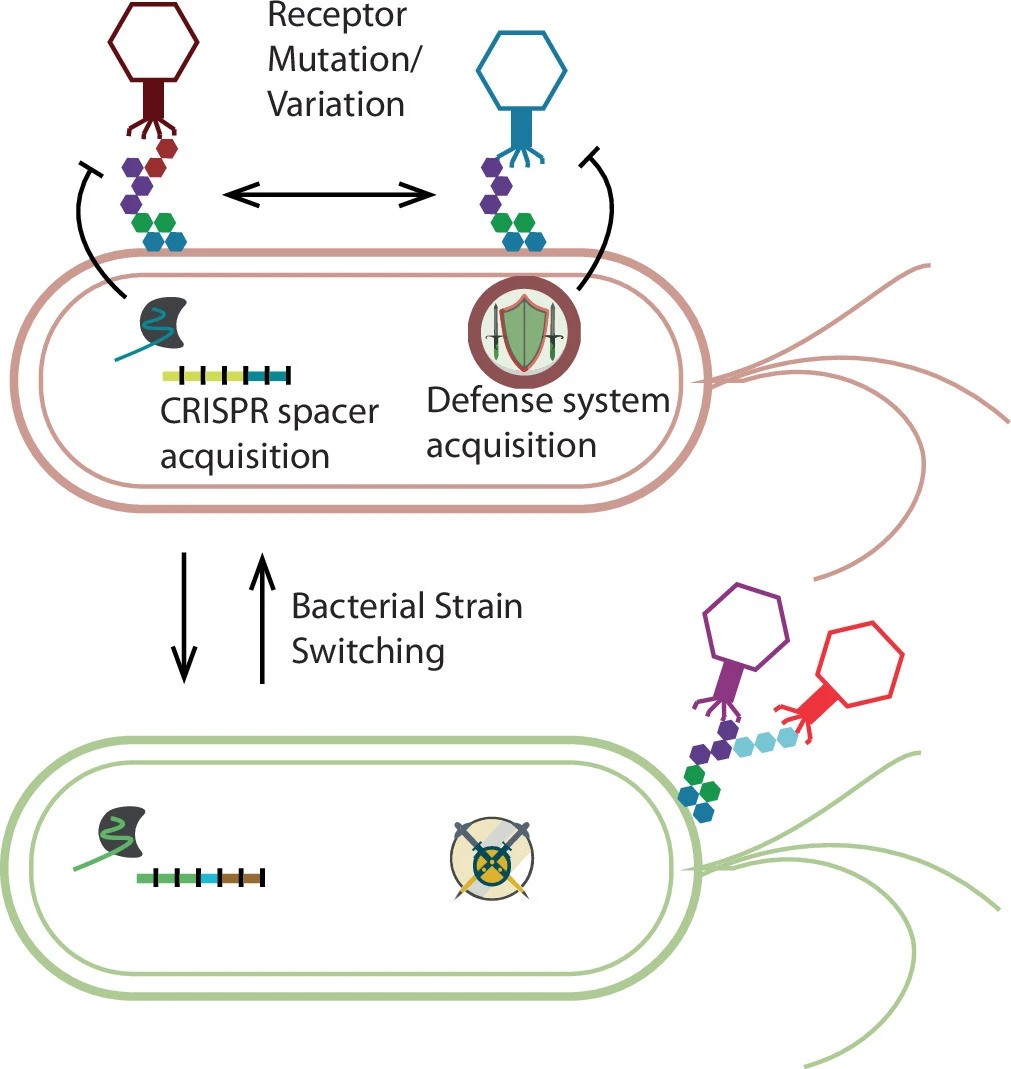
A schematic of factors potentially accounting for high virus (phage) turnover in human guts.

This study explores the dynamic relationship between bacteriophages (phages) and bacteria in the gut microbiome of infants and young children during their early years. Using metagenomic sequencing data from over 12,000 stool samples collected as part of the Environmental Determinants of Diabetes in the Young (TEDDY) project, the researchers uncovered how phages and bacteria interact and evolve. Phages, described as the “hidden architects” of the gut ecosystem, exhibit faster turnover and greater transience than bacteria while accumulating diversity over time.

The analysis revealed structured ecological succession in the microbiome, with microbial communities transitioning through distinct phases as children age. It was found that children who later developed type 1 diabetes showed slower changes in their microbial community during their second year of life. By employing the novel bioinformatics tool Marker-MAGu, the study enabled simultaneous profiling of phages and bacteria, revealing a deeper understanding of their co-evolution. Phage profiling also improved the ability to geographically distinguish microbiomes, underscoring their role in shaping microbial ecosystems.

These findings highlight the crucial yet underappreciated role of phages in gut microbiota development and their potential influence on immune system maturation and disease risk. This work not only provides valuable insights into the early-life gut microbiome but also paves the way for phage-based therapeutic and diagnostic strategies.

Figure Description: Since phage often put negative selective pressure on their hosts, these bacteria may evolve evasive mutations in receptor-related genes or other entry factors. Relatedly, some bacteria can conduct phase variation, reversibly altering their surface molecules. Bacteria may also acquire phage-specific CRISPR spacers to fend off deleterious phage or acquire entirely new phage defence systems via horizontal gene transfer. Phage, on the other hand, will sometimes, but not always overcome these new defences via mutation of their own genes. In our study, we are unable to detect bacterial strain switching, in which a new strain of the same bacteria interlopes and outcompetes an existing strain. Strain switching will cause some or all of the bacteria-specific phage to be lost from the gut due to different receptors and defence systems, but it will provide opportunities for new phages. Finally, if a bacterial host becomes extinct, so will its obligate parasite phage, so phages are not expected to persist in the gut for long periods after elimination of its host.

Image Source: Tisza, M.J., Lloyd, R.E., Hoffman, K. et al. Nat Microbiol (2025)

Article DOI: https://doi.org/10.1038/s41564-024-01906-4

Personalized Bacteriophage Therapy: Insights from 100 Consecutive Cases

Personalized Bacteriophage Therapy: Insights from 100 Consecutive Cases

Jean-Paul Pirnay and his team from the Laboratory for Molecular and Cellular Technology, Queen Astrid Military Hospital, Brussels, Belgium, and the European Society of Clinical Microbiology and Infectious Diseases (ESCMID) Study Group for Non-traditional Antibacterial Therapy (ESGNTA), Basel, Switzerland, have presented a detailed analysis of personalized bacteriophage therapy (BT) outcomes. This retrospective observational study analyzed the first 100 consecutive cases of personalized BT for difficult-to-treat infections. The cases were facilitated by a Belgian consortium across 35 hospitals, 29 cities, and 12 countries between January 1, 2008, and April 30, 2022.

In contrast to the limited success observed in randomized controlled trials with non-personalized bacteriophage products, this study highlights promising outcomes for personalized approaches. The researchers evaluated general efficacy and conducted a regression analysis to explore functional relationships. Key findings include:

  • Clinical Improvement: 77.2% of infections showed clinical improvement following personalized BT.

  • Bacterial Eradication: Targeted bacteria were eradicated in 61.3% of infections.

  • Impact of Concomitant Antibiotics: The absence of concomitant antibiotics reduced the likelihood of bacterial eradication by 70% (odds ratio = 0.3; 95% confidence interval = 0.127–0.749).

  • Resistance and Synergy: In vivo selection of bacteriophage resistance was observed in 43.8% of evaluated patients, while in vitro bacteriophage–antibiotic synergy was documented in 90% of evaluated patients.

  • Antibiotic Re-sensitization and Reduced Virulence: Bacteriophage-resistant bacterial isolates exhibited antibiotic re-sensitization and reduced virulence.

  • Immune Neutralization: Bacteriophage immune neutralization was observed in 38.5% of screened patients.

  • Adverse Events: The study reported 15 adverse events, including seven non-serious adverse drug reactions suspected to be linked to BT.

This analysis underscores the potential of personalized BT, particularly when used in combination with antibiotics, for treating difficult-to-treat infections. While limited by the uncontrolled nature of the data, the findings provide valuable insights for the design of future controlled clinical trials.

This study contributes to the growing body of evidence supporting personalized bacteriophage therapy as a promising avenue in addressing antibiotic-resistant infections.

Article DOI.

Exploring the Phageome: Differences in Healthy and Atopic Dermatitis Skin

Exploring the Phageome: Differences in Healthy and Atopic Dermatitis Skin

Exploring the Phageome: Differences in Healthy and Atopic Dermatitis Skin

Study workflow and bacterial communities in healthy skin and AD.

In this study published in Science Advances, Wolfgang Weninger and his team from the Medical University of Vienna, have highlighted the role of bacteriophages in the skin’s microbiome, particularly in relation to atopic dermatitis (AD).

By analyzing skin swabs from both healthy individuals and AD patients using shotgun metagenomics, the researchers identified over 13,000 potential viral DNA sequences. These sequences were combined into 164 putative viral genomes, 133 of which were identified as bacteriophages.

Interestingly, the study found that the diversity of these viral genomes, measured by the Shannon diversity index, did not correlate with the presence of AD. This suggests that the sheer variety of viruses isn’t the main factor in the disease’s progression. However, the research did uncover 28 viral genomes that significantly differed between healthy and AD-affected skin, indicating distinct viral communities in inflamed skin.

Moreover, the presence of these viral genomes was shown to be independent of the abundance of their bacterial hosts. This means that changes in the phageome aren’t just a byproduct of bacterial changes but may play a direct role in skin health and disease.

These findings suggest that shifts in the skin’s viral community could drive changes in bacterial populations, contributing to the development of AD. This opens up new possibilities for therapies that target both the viral and bacterial components of the skin microbiome.

Wolfgang Weninger will be discussing these insightful findings at the 7th World Conference Targeting Phage Therapy, taking place on June 20-21 in Malta. Learn more.

Article DOI.

Photo Credits: M. Wielscher et al. Sci. Adv. (2023)

Untapped Potential: Phage Model Systems as Next-Generation Therapeutic Agents

Untapped Potential: Phage Model Systems as Next-Generation Therapeutic Agents

Researchers from the Max Planck Institute for Evolutionary Biology have introduced an innovative approach to strengthen the effectiveness of phage therapy against drug-resistant bacteria. As antibiotic resistance continues to rise globally, finding alternative treatments is increasingly urgent, and phages – viruses that target bacteria – have emerged as a promising option.

The proposed procedure to develop a phage model system into a therapeutic agent.

The study emphasizes the importance of well-established phage model systems, which have been extensively studied over the years, for safe and efficient treatment. However, these models have faced challenges in directly combating harmful bacteria.

Nevertheless, the researchers offer a solution. By modifying these model phages through genetic engineering or evolution, they can be adapted to target harmful bacteria more effectively. This breakthrough could pave the way for personalized phage treatments tailored to specific infections.

These findings represent a significant advancement in the fight against drug-resistant infections.

Read the full paper.

Dr. Frederic Bertels, lead author of this study, will join us Malta for Phage Therapy 2024 this June to further elaborate these findings. 

Photo credits: Romeyer Dherbey, J., & Bertels, F. (2024). Virus Evolution, 10(1), veae007.

 
Armed phages are heading for clinical trials

Armed phages are heading for clinical trials

Armed phages are heading for clinical trials

Armed phages, engineered to carry a CRISPR–Cas , have demonstrated remarkable efficacy in combating Escherichia coli infections in animal models. Led by Antonia P. Sagona and Jessica Maree Lewis from the School of Life Sciences at the University of Warwick in Coventry, UK, this research represents significant progress in the fight against bacterial infections.

By harnessing the precision of CRISPR–Cas technology within the context of phage therapy, the study showcases a novel approach to combatting bacterial pathogens. Notably, the engineered phages exhibit the ability to mitigate E. coli infections without triggering adverse host immune responses, marking a critical advancement in therapeutic safety and efficacy.

The potential implications of this research extend far beyond the laboratory, offering hope for the development of innovative treatments for bacterial infections that are increasingly resistant to traditional antibiotics. With clinical trials, the prospect of armed phages as a viable therapeutic option is now within reach, promising a new era in infection management.

Article DOI.

Image Credits: By Freepik